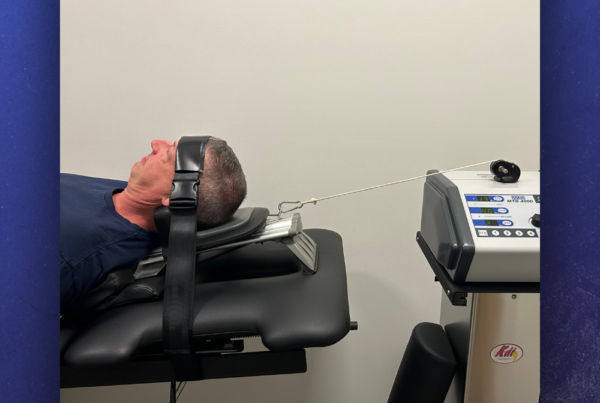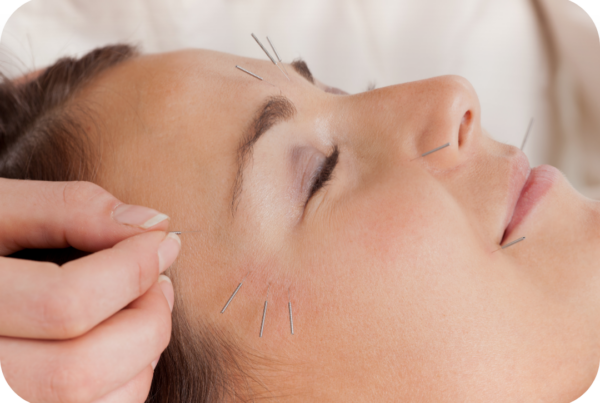
Stress doesn’t just affect how we feel mentally. It often shows up physically in our bodies. When the nervous system is under ongoing pressure, the body can begin to hold that tension in predictable areas. Over time, this may contribute to stiffness, discomfort, and a sense that the body is “stuck” in a heightened state. Many people don’t realize how closely connected the nervous system is to muscle tension, posture, and pain patterns.
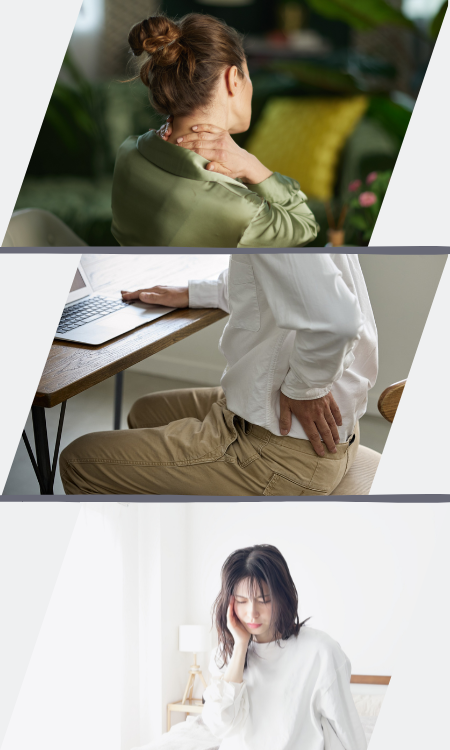
Neck & Shoulders → Tension Headaches
The neck and shoulders are one of the most common areas where we store stress. When our body is in heightened stress, these muscles tend to tighten and stay elevated, especially with long hours of sitting or screen use. This can gradually reduce mobility in the neck and upper back, leading to stiffness and discomfort between the shoulder blades and the base of the skull. For some of us, this ongoing tension leads to tension-type headaches that can vary from dull to intense, getting worse the longer we hold onto this stress in our neck and shoulders.
Low Back & Hips → Fatigue & Poor Posture
Stress can also influence how we hold ourselves physically. When the nervous system is activated for extended periods, posture can shift without us noticing. We begin to slouch, and our bodies move into a more guarded position. This change in alignment can place additional strain on the muscles of the lower back and hips. Over time, this may contribute to feelings of fatigue, tightness, or heaviness in the lumbar region, particularly after long periods of sitting or standing.
Jaw → Clenching & Grinding
The jaw is another area where stress commonly presents itself, often unconsciously. Many of us clench our jaw during the day or grind our teeth at night, especially during periods of increased stress or poor sleep. This ongoing muscle activity can create tightness in the jaw, discomfort with chewing, and sometimes tension that spreads into the temples, face, or neck. Because this pattern is often automatic, it can persist for long periods before being recognized.
Fight or Flight vs. Rest & Digest
The body is designed to shift between two primary nervous system states.
“Fight or Flight” is the body’s stress response, where heart rate increases, muscles tighten, and the body becomes more alert and reactive. While this response is protective in short bursts, prolonged activation may contribute to ongoing physical tension and difficulty relaxing.
On the other hand, “Rest and Digest” is the body’s recovery state. In this mode, breathing slows, muscles soften, and the body is able to repair and regulate itself.
When persistent stress occurs, we sometimes find ourselves “stuck” in the “Fight or Flight” state. Our bodies may struggle to fully access the restorative “Rest & Digest” state, which contributes to the physical manifestation of stress.
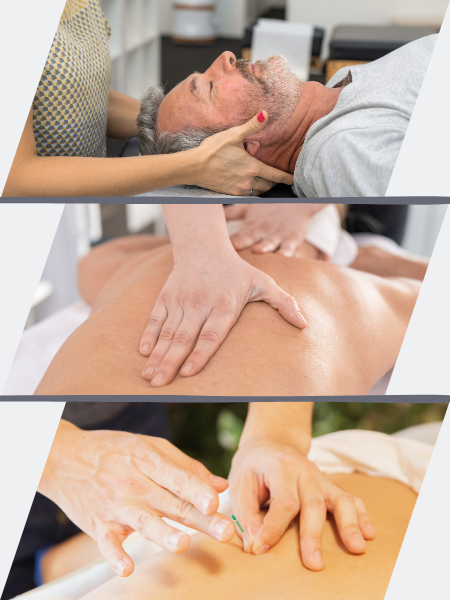
So, what can we do to help us return to that much needed restorative state? Supportive, hands-on care may help encourage the body to shift out of a stress-dominant state and into a more regulated, restful one.
Chiropractic care supports spinal and nervous system function by addressing joint mobility and alignment. This may help reduce physical stress on the body and support improved communication within the nervous system.
Massage therapy works directly with the muscles and soft tissues. It has been shown to help lower cortisol levels (the body’s primary stress hormone) while increasing feelings of relaxation, helping the body move toward a calmer state.
Acupuncture is commonly used to help calm the nervous system, reduce feelings of stress and anxiety, and support overall regulation of the body’s stress response.
Together, these approaches may help the body move from a state of tension and alertness toward one of rest, recovery, and balance.
Stress is a normal part of life, but the physical effects don’t have to be.