Low back pain is one of the most common reasons older adults walk through our clinic doors – and yet, so much of the advice people receive is outdated, fear based, or simply incorrect. These myths don’t just create confusion; they can actually make pain worse by encouraging avoidance, unnecessary worry, and treatments that don’t help.
A recent 2025 review by Dr. Carlo Ammendolia highlights the most common misconceptions affecting older adults. In this two part series, I want to break these myths down in a way that’s practical, reassuring, and grounded in the best evidence we have today.
Here are the first five.
Myth #1: “Back pain is inevitable as you age.”
This is one of the most common beliefs I hear – and one of the most discouraging. Many people assume that back pain is simply the price of getting older.
But the evidence tells a different story.
Back pain becomes more common up to around age 60, but after that, the prevalence actually levels off and may even decrease. Aging alone does not guarantee chronic back pain.
What does increase with age is the likelihood of specific conditions like osteoarthritis, spinal stenosis, or osteoporosis. These are treatable, especially when identified early.
Aging doesn’t doom you to pain. You deserve better than that narrative.
Myth #2: “Back pain in older adults usually means something serious.”
It’s completely understandable to worry when pain shows up suddenly or feels intense. But serious causes like cancer, infection, or fracture account for less than 5% of back pain cases in older adults.
The reality:
About 90% of back pain in older adults is “non-specific,” meaning it isn’t caused by a dangerous disease. Conditions like cauda equina syndrome or inflammatory back pain are actually less common in older adults than in younger people.
Most back pain is uncomfortable – not dangerous.
And when we remove the fear, recovery becomes much more achievable.
Myth #3: “Avoid lifting, bending, or twisting — if it hurts, don’t do it.”
This myth is responsible for so much unnecessary disability. Many older adults are told to “protect” their backs by avoiding movement, especially bending or lifting.
But here’s the truth:
For non-specific back pain, movement is not harmful. In fact, it’s essential for recovery. Activities involving bending, lifting, and twisting help maintain strength, mobility, and confidence.
Avoiding movement leads to:
- More stiffness
- More pain
- Loss of strength
- Reduced balance
- Lower self-efficacy
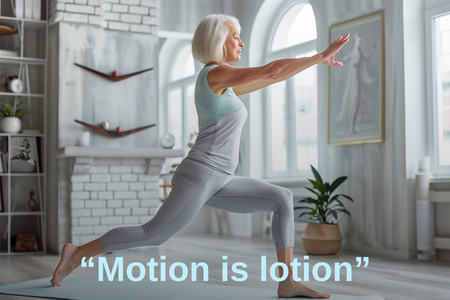
I often tell patients: “Motion is lotion.”
Your spine thrives on movement, not fear.
Myth #4: “Bed rest is good for back pain.”
This one is especially harmful for older adults. Many people still believe that lying down and “taking it easy” is the best way to recover.
But bed rest actually slows recovery.
It increases the risk of:
- Muscle wasting
- Joint stiffness
- Bone loss
- Pressure sores
- Blood clots
Staying active, even with some discomfort, is one of the most important things you can do. Gentle walking, light strength training, and regular movement help preserve function and reduce long-term disability.
Your body heals through movement, not immobility.
Myth #5: “Medication should be the first line treatment.”
Older adults are often prescribed medications early – sometimes before trying safer, more effective options.
But medications are not the starting point.
Here’s what the research shows:
- Acetaminophen is no better than placebo for back pain.
- NSAIDs offer small benefits but carry risks for older adults.
- Muscle relaxants can cause dizziness and increase fall risk.
- Gabapentin and pregabalin don’t outperform placebo for back related nerve pain and can impair balance and cognition.
- Some antidepressants may help slightly but come with significant side effects.
Medications can play a role – but they should never be the first tool we reach for.
Final Thoughts:
These first five myths all point to a bigger theme:
Fear and inactivity make back pain worse, not better.
Older adults are often told to be cautious, fragile, or passive in their approach to back pain. But the evidence paints a much more hopeful picture. With the right information, the right movement, and the right mindset, older adults can stay strong, active, and independent
Part 2 will cover the remaining myths — including surgery, injections, structural changes, and disc herniations – and I think you’ll find those just as eye-opening.